

Description
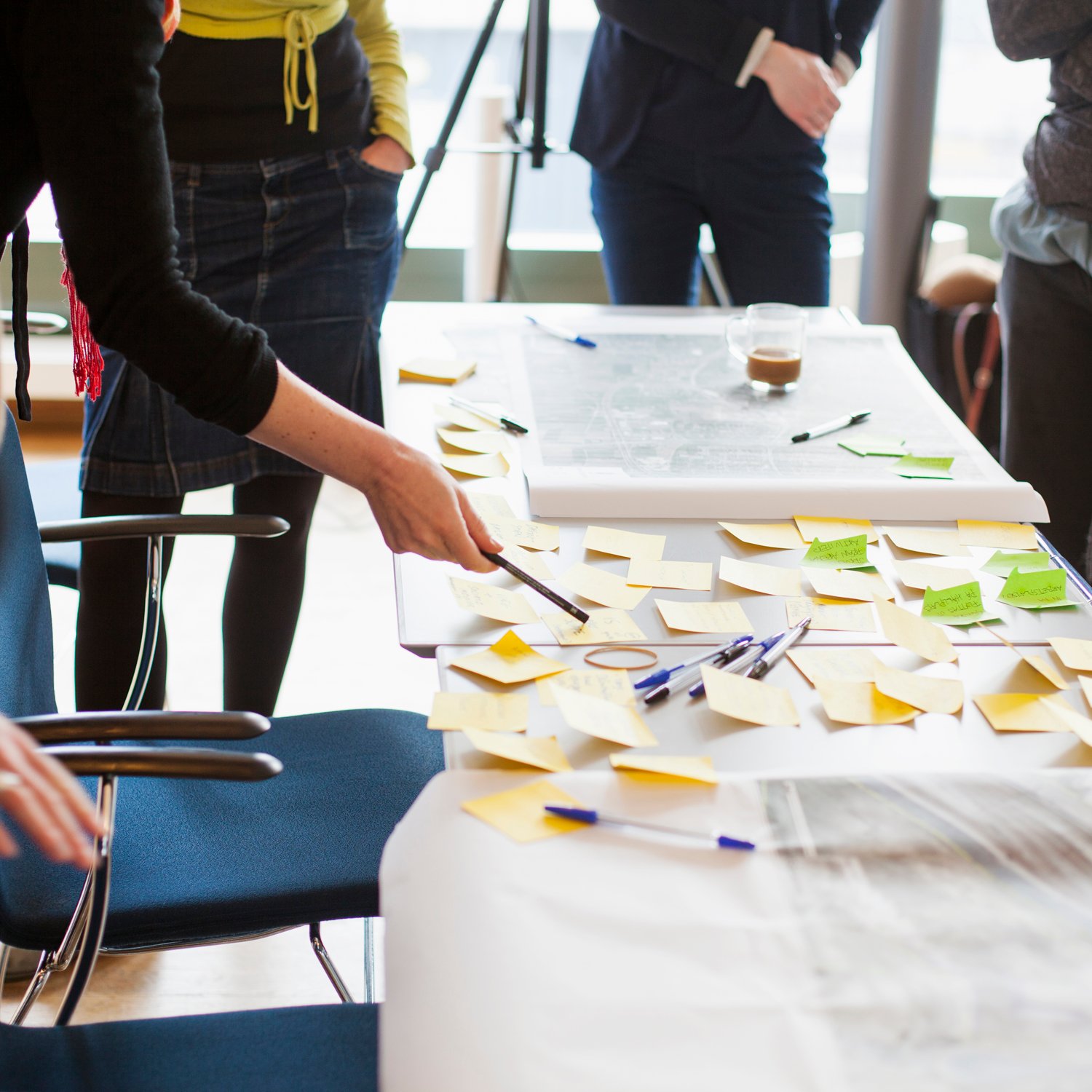
In this workshop, you will develop a concrete change initiative from start to finish—not as a theoretical exercise, but based on a realistic scenario or directly on your own change project. You will plan the change in a structured manner and build a framework that really works in everyday life.
Duration
9 a.m. to 5 p.m.
(8 hours)
Target group
Project managers, specialists and executives, internal change managers, project managers in change projects
Prerequisite
You should have a specific change project that we can go through in the workshop.
What you will work on in the workshop (step by step)
- Initial situation & reason for change: What is the problem, why now, what will happen without change?
- Target vision & benefits: How can success be recognized – and why is it worthwhile (for business and people)?
- Affected parties & stakeholders, including emotions: Who loses what, who gains what, who is afraid, who is blocking progress?
- Typical resistance and uncertainties: What is most likely to happen—and how will you deal with it?
- Communication plan & key messages: Who needs to hear what, when, and with what storyline?
- Success indicators & control logic: How do you measure and control progress, adoption, and impact?
You go out with
- structured change planning (clear, comprehensible, compatible)
- a consistent line of communication for different target groups
- a realistic picture of resistance instead of wishful thinking
- Concrete starting points for how you can implement this despite your day-to-day business
In short: You have a robust setup that you can continue to use and promote internally.
working method
- Simulation of a continuous change scenario (end-to-end instead of isolated exercises)
- Short, precise technical inputs (only as much theory as necessary)
- Individual and group work (transfer + sparring)
- Reflection on typical practical problems (resistance, ambiguity, lack of sponsors, communication gaps)